
Can a Chiropractor Help With Neck Pain and Headaches?
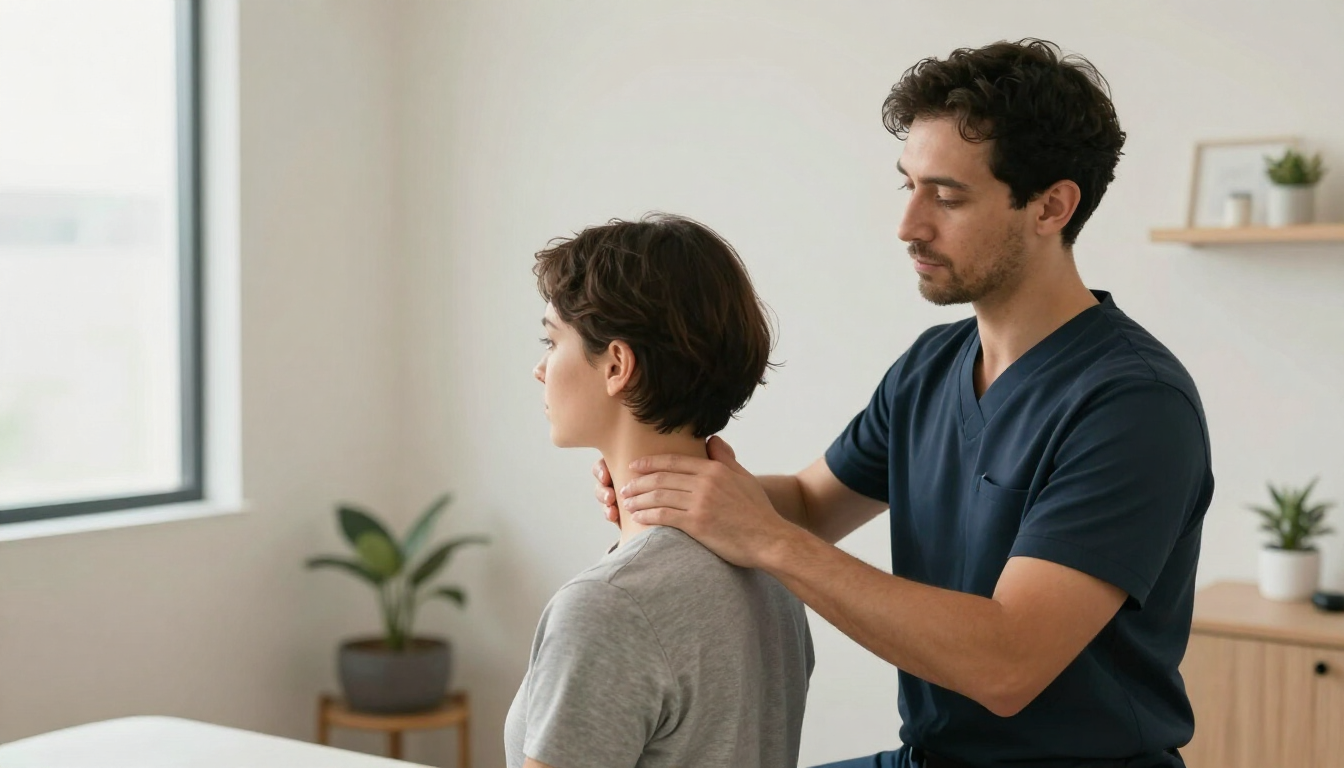
Do you frequently experience headaches after working at a computer, sitting for extended periods, or waking up with a stiff neck?
Neck pain and headaches often occur together. In some cases, structures within the cervical spine and surrounding tissues may contribute to head pain.
Chiropractic care may help certain patients experiencing musculoskeletal neck pain and cervicogenic headaches through individualized treatment, therapeutic exercises, manual therapy, and movement recommendations.
However, not every headache originates in the neck, and chiropractic treatment is not appropriate for every headache disorder.
Understanding the relationship between your symptoms is an important first step toward identifying suitable treatment options. You can also review our general chiropractic FAQ for related patient information.
What Is the Connection Between Neck Pain and Headaches?
The cervical spine consists of seven vertebrae that support the head and allow movement in multiple directions.
Muscles, ligaments, joints, and nerves work together to support these movements.
Some sensory pathways from the upper cervical spine overlap with pathways involved in head and facial pain.
This helps explain why certain problems affecting structures in the neck can produce pain perceived in other areas of the head.
Factors that may contribute to musculoskeletal neck discomfort include:
- Prolonged periods in one position
- Repetitive movements
- Muscle fatigue
- Previous neck injuries
- Restricted neck mobility
- Increased physical demands
- Insufficient movement during the workday
However, experiencing neck discomfort alongside a headache does not automatically mean that the neck is causing the headache.
A proper evaluation is necessary to distinguish between possible causes.
What Is a Cervicogenic Headache?
A cervicogenic headache is a secondary headache associated with a disorder affecting structures in the cervical spine or surrounding neck tissues.
Unlike primary headache disorders, cervicogenic headaches arise from another identifiable condition.
Possible characteristics include:
- Pain beginning near the neck or base of the skull
- Pain extending toward the forehead or temple
- Restricted neck movement
- Symptoms aggravated by certain neck movements
- Head pain predominantly affecting one side
- Associated neck and shoulder discomfort
These symptoms can overlap with other headache disorders.
A cervicogenic headache should not be diagnosed based on symptom location alone.
A healthcare professional must evaluate the patient’s medical history, physical findings, and other possible explanations.
Can Poor Posture Cause Headaches?
Spending several hours at a computer or looking down at a mobile device can increase physical demands on neck and shoulder muscles.
Remaining in a single position for extended periods may contribute to fatigue, stiffness, and discomfort.
Some patients notice that headaches become more frequent during demanding workdays or after prolonged periods of sitting. Our FAQ addresses related desk work and posture-related discomfort in more detail.
However, posture is only one possible contributing factor.
There is no single perfect posture that prevents all neck pain or headaches.
Regular movement, physical activity, workstation adjustments, stress management, and adequate recovery may all contribute to better comfort.
Instead of trying to maintain one rigid position throughout the day, focus on having comfortable working conditions and opportunities to change positions regularly.
What Types of Headaches Can Occur With Neck Pain?
Several headache disorders may involve neck discomfort, but they have different characteristics and treatment requirements.
Cervicogenic Headaches
These headaches originate from a condition affecting the neck.
Patients may experience reduced cervical mobility, neck discomfort, and headaches associated with neck movement.
Manual therapy and therapeutic exercise may be considered after an appropriate clinical evaluation.
Tension-Type Headaches
Tension-type headaches commonly produce a pressing or tightening sensation around the head.
They may occur alongside discomfort in the neck, shoulders, and scalp.
Stress, sleep disturbances, and other factors may influence symptoms.
Exercise, relaxation strategies, and selected multimodal treatments may be helpful for some patients.
Cervical manipulation should not be presented as a stand-alone treatment for tension-type headaches.
Migraines
Migraine is a neurological disorder that can cause moderate to severe head pain, nausea, sensitivity to light or sound, and other symptoms.
Some people experience visual or sensory disturbances known as aura.
Neck pain can also occur before or during a migraine episode.
However, this does not mean the migraine originates from a spinal problem.
Evidence supporting spinal manipulation for migraine management remains uncertain.
Patients experiencing migraines should receive appropriate medical evaluation and headache-specific treatment.
Chiropractic care may be considered for associated musculoskeletal discomfort when clinically appropriate, but it should not replace neurological or medical care.
Cervicogenic Headaches vs. Tension Headaches vs. Migraines
| Characteristic | Cervicogenic Headache | Tension-Type Headache | Migraine |
|---|---|---|---|
| General classification | Secondary headache associated with the neck | Primary headache disorder | Primary neurological headache disorder |
| Common pain pattern | May begin near the neck and spread toward the head | Pressing or tightening sensation | Often pulsating, but symptoms vary |
| Pain location | Frequently one-sided | Frequently affects both sides | May affect one or both sides |
| Neck movement | May aggravate symptoms | May coexist with muscle discomfort | Neck symptoms may occur during an episode |
| Other symptoms | Restricted neck mobility may occur | Usually fewer associated neurological symptoms | Nausea, light sensitivity, sound sensitivity, or aura may occur |
| Treatment approach | Evaluation, exercise, and selected manual therapies | Individualized headache management | Medical and migraine-specific management |
These are general characteristics and should not be used for self-diagnosis.
How Can Chiropractic Care Help With Neck Pain and Headaches?
A chiropractor may evaluate whether musculoskeletal factors are contributing to your symptoms.
When appropriate, an individualized care plan may include several approaches. Learn more about the clinic’s chiropractic services and what they involve.
Cervical Spine Evaluation
A clinical assessment may examine neck mobility, symptom patterns, physical function, and relevant medical history.
The goal is to determine whether the patient’s symptoms appear consistent with a musculoskeletal condition or require additional medical investigation.
The presence of neck stiffness alone does not establish the cause of a headache.
Spinal Mobilization
Mobilization involves controlled joint movement without necessarily using a rapid thrust.
It may be considered for selected patients experiencing neck stiffness or movement-related discomfort.
Treatment intensity and technique should be adapted to the patient’s condition, preferences, and clinical findings.
Chiropractic Adjustments
Spinal manipulation involves applying a controlled force to a spinal joint.
Research suggests that it may offer short-term improvements for some patients with neck pain or cervicogenic headaches.
The benefits vary between individuals, and long-term effectiveness is not guaranteed.
Cervical manipulation also carries risks that should be discussed before treatment.
Not every patient needs an adjustment, and lower-force techniques or exercise-based care may be appropriate alternatives.
Soft Tissue Techniques
Manual techniques targeting muscles and surrounding tissues may help selected patients manage discomfort and improve movement tolerance.
These techniques may be incorporated into a broader care plan rather than used as the only treatment.
Therapeutic Exercises
Exercises may help improve neck mobility, muscular endurance, shoulder function, and tolerance for daily activities.
Appropriate exercises depend on the patient’s symptoms and physical examination.
A healthcare professional may recommend gentle mobility exercises, neck strengthening, shoulder blade exercises, or gradual physical activity.
Exercises should not reproduce severe headaches, dizziness, neurological symptoms, or significant pain.
Movement and Workstation Recommendations
Patients who spend substantial time working at a desk may benefit from reviewing their workstation and daily movement habits.
Adjusting the working environment and incorporating regular activity may help reduce sustained physical demands on the neck and shoulders.
Experiencing Neck Pain or Recurring Headaches? Schedule an Individualized Evaluation.
If neck discomfort or recurring headaches are affecting your daily activities, contact Downtown LA Dr. Romina Chiropractic to discuss whether an evaluation is appropriate for you.
Schedule a Chiropractic EvaluationWhat Does Research Say About Chiropractic Care for Headaches?
Research on manual therapy for headaches shows different results depending on the headache diagnosis and treatment methods being studied.
A 2022 systematic review examining physiotherapy interventions reported that manual therapy may improve cervicogenic headache frequency and intensity in the short term.
The review also identified potential benefits from neck exercise in longer-term management, although additional high-quality research was recommended.
A more recent systematic review published in 2026 found that manual therapy may provide short-term relief for adults with cervicogenic headaches. Evidence certainty was low, and lasting benefits remained unclear.
Clinical guidelines also recommend considering exercise and patient education when managing persistent headaches associated with neck pain.
For tension-type headaches, cervical spinal manipulation should not be offered as the sole treatment.
Research on migraine treatment remains less conclusive.
These findings support an individualized approach that considers headache classification, patient preferences, physical activity, and appropriate medical care.
They do not establish that chiropractic adjustments cure headaches or guarantee permanent relief.
Can Sitting at a Desk All Day Contribute to Neck Pain?
Office workers, students, designers, healthcare professionals, and remote workers frequently spend extended periods using computers.
Long periods of concentrated work may involve limited movement, sustained muscle activity, and uncomfortable workstation arrangements.
Over time, these demands may contribute to neck and shoulder discomfort.
Common workplace considerations include:
- Monitor height and viewing distance
- Keyboard and mouse placement
- Chair support
- Working with multiple screens
- Extended laptop use
- Infrequent movement breaks
- Repetitive reaching
- Holding a phone between the shoulder and ear
A comfortable workstation should allow you to change positions easily.
Even a well-designed workstation cannot eliminate the need for regular movement.
For people working in Downtown Los Angeles, incorporating short movement breaks throughout a demanding workday may be a practical starting point.
Can Looking Down at Your Phone Cause Neck Pain?
Frequently looking down at a smartphone can increase the demands placed on neck muscles, particularly when the position is maintained for extended periods.
Some people experience stiffness or discomfort after prolonged device use.
This is sometimes referred to informally as text neck.
However, text neck is not a definitive medical diagnosis, and looking down at a phone does not automatically cause permanent spinal damage.
Consider raising your device to a more comfortable position, supporting your arms, and changing positions periodically.
Reducing prolonged static positioning may help improve comfort.
Persistent or worsening symptoms should be evaluated by a healthcare professional.
Why Do I Wake Up With Neck Pain and a Headache?
Morning neck pain and headaches can have several possible explanations.
These may include:
- Uncomfortable sleeping positions
- Inadequate pillow support
- Jaw clenching or teeth grinding
- Sleep disturbances
- Migraine
- Existing neck conditions
- Sleep apnea
- Other medical causes
A pillow that maintains a comfortable neck position may be helpful for some individuals.
However, changing pillows will not address every cause of morning headaches.
Frequent morning headaches associated with loud snoring, pauses in breathing, or daytime sleepiness should be discussed with a medical professional because they may indicate a sleep-related breathing disorder.
Persistent morning headaches should not automatically be attributed to spinal alignment.
Can Stress Contribute to Neck Tension and Headaches?
Stress may influence muscle activity, sleep quality, pain sensitivity, and headache frequency.
Some people notice increased neck and shoulder discomfort during periods of emotional or occupational stress.
An appropriate management strategy may include:
- Regular physical activity
- Consistent sleep habits
- Relaxation exercises
- Workload adjustments
- Gradual strengthening exercises
- Appropriate medical or psychological support
Manual therapy may be considered for associated musculoskeletal discomfort, depending on the individual.
A comprehensive approach should address relevant contributing factors rather than assume that a single treatment will resolve every symptom.
Can a Car Accident Cause Neck Pain and Headaches?
Neck pain and headaches can occur following a motor vehicle accident.
Whiplash-associated disorders may involve neck stiffness, discomfort, headaches, and difficulty performing daily activities.
However, headaches following a collision may also be associated with concussion, fractures, vascular injuries, or other serious conditions.
Patients with significant or recent trauma should receive appropriate medical assessment before undergoing cervical manipulation. Our FAQ covers related car accident and injury recovery questions.
If symptoms include loss of consciousness, confusion, worsening headache, repeated vomiting, weakness, or other neurological changes, emergency evaluation may be necessary.
Once serious injuries have been ruled out, an individualized rehabilitation plan may help address persistent musculoskeletal symptoms.
Daily Habits That May Help Manage Neck Discomfort
For mild, non-traumatic neck discomfort without warning signs, several everyday habits may help support comfort and mobility.
Change Positions Regularly
Avoid remaining seated in the same position for several consecutive hours.
Stand, walk, or change your working position periodically when possible.
Adjust Your Workstation
Position your screen, chair, keyboard, and other equipment so you can work comfortably without maintaining awkward positions.
Stay Physically Active
Regular physical activity can support muscular endurance, general health, and everyday movement.
Increase activity gradually according to your abilities.
Prioritize Sleep
Maintain a consistent sleep schedule and choose a comfortable sleeping arrangement.
Persistent sleep difficulties should be discussed with a healthcare professional.
Keep a Headache Diary
Record when headaches occur, how long they last, and any associated symptoms.
You may also track sleep, meals, physical activity, stress, menstrual cycles, medications, and screen time.
This information can help healthcare professionals recognize symptom patterns.
Avoid Forceful Self-Adjustment
Do not forcefully twist or manipulate your neck in an attempt to relieve headaches.
If movement produces significant pain, dizziness, visual changes, or neurological symptoms, stop and seek appropriate medical evaluation.
Is Chiropractic Care Safe for Neck Pain and Headaches?
Chiropractic treatment is not appropriate for every patient or condition.
Temporary soreness, stiffness, fatigue, or headache can occur after manual therapy.
Rare but serious complications have also been reported in association with cervical spinal manipulation, including cervical artery dissection and stroke.
The precise causal relationship remains difficult to establish, partly because an existing arterial dissection can initially cause neck pain or headaches before being recognized.
Patients should be informed about potential risks, expected benefits, and alternative treatment options before receiving cervical manipulation.
Conditions such as suspected vascular disorders, fractures, severe bone fragility, cervical instability, infection, and certain neurological problems may require avoiding or modifying treatment.
A clinical assessment is essential, but screening cannot eliminate every risk.
Patients should feel comfortable asking questions and declining any treatment technique.
When Should You Seek Immediate Medical Attention?
Some headaches require urgent medical evaluation rather than chiropractic treatment.
Seek emergency medical care if you experience:
- A sudden, extremely severe headache
- A new headache accompanied by facial drooping, weakness, or numbness
- Difficulty speaking or understanding speech
- Sudden vision changes
- Severe dizziness with loss of coordination
- Confusion or loss of consciousness
- Severe headache with fever and a stiff neck
- A severe or worsening headache after a significant head or neck injury
- Sudden, unusual neck pain or headache accompanied by neurological symptoms
New or changing headaches during pregnancy or after childbirth also require prompt medical assessment, particularly when symptoms are severe or accompanied by visual changes.
If you suspect a medical emergency, call 911.
Recurring, progressively worsening, or unexplained headaches should also be evaluated by a medical professional.
Do not delay necessary medical treatment while seeking chiropractic care.
What Should You Expect During a Chiropractic Evaluation?
An initial evaluation may include a discussion of your symptoms, medical history, and daily activities.
Relevant information may include:
- When the headaches began
- How frequently they occur
- Where you experience pain
- Whether symptoms are associated with neck movement
- Previous injuries
- Existing medical conditions
- Medications
- Sleep quality
- Work and exercise habits
- Associated neurological symptoms
Depending on the clinical findings, the chiropractor may assess mobility, physical function, muscle sensitivity, and relevant neurological signs.
Further medical evaluation or imaging may be recommended when clinically indicated.
Imaging is not automatically necessary for every patient with uncomplicated neck pain.
If conservative musculoskeletal care is appropriate, the provider can discuss potential treatment options, goals, risks, and alternatives.
How Many Chiropractic Visits Are Needed for Neck Pain and Headaches?
There is no universal number of chiropractic visits that is appropriate for every patient.
Treatment duration depends on factors such as:
- The underlying diagnosis
- Symptom severity
- Duration of symptoms
- Relevant health conditions
- Functional limitations
- Response to treatment
- Individual goals
Progress should be reassessed periodically.
If symptoms worsen, fail to improve, or change in character, the treatment approach may need to be modified or further medical evaluation may be necessary.
A responsible treatment plan should not promise a specific number of visits will permanently eliminate headaches.
Chiropractic Care for Neck Pain in Downtown Los Angeles
Neck pain and recurring headaches can interfere with concentration, physical activity, work, and sleep.
At Downtown LA Dr. Romina Chiropractic, Dr. Romina Ghassemi provides individualized chiropractic evaluations for patients experiencing musculoskeletal discomfort and movement-related concerns.
Our approach begins with understanding your symptoms and how they affect your everyday activities.
Depending on your clinical findings, appropriate treatment options may be discussed to help address neck discomfort, mobility limitations, and related functional concerns.
If your symptoms suggest a condition requiring medical or specialist evaluation, appropriate referral may be necessary.
Whether you are an office worker, student, athlete, or someone experiencing persistent neck discomfort, an individualized evaluation can help determine your next steps.
Looking for a Neck Pain Chiropractor in Downtown Los Angeles?
Call our office to speak with our team about your symptoms and whether an evaluation is appropriate for you.
Address
Los Angeles, CA 90015
Phone
(424) 379-9357Website
downtownladrrominachiropractic.comFrequently Asked Questions About Chiropractic Care for Neck Pain and Headaches
Can a chiropractor help with headaches caused by neck pain?
Manual therapy and therapeutic exercise may help some patients with cervicogenic headaches. An evaluation is necessary to establish whether the neck is contributing to the symptoms.
Can chiropractic adjustments cure migraines?
No cure should be promised. Migraine is a neurological disorder, and evidence supporting spinal manipulation for migraine treatment remains uncertain.
Can tight neck muscles cause headaches?
Neck muscle discomfort may accompany or contribute to some headache presentations. However, headaches can have many causes, and muscular tension alone does not establish the diagnosis.
How do I know if my headache comes from my neck?
Symptoms that change with neck movement or occur alongside restricted cervical mobility may suggest a neck-related contribution. A professional evaluation is needed to distinguish cervicogenic headaches from other conditions.
Can chiropractic care help tension headaches?
Some patients may benefit from exercise, mobilization, soft tissue care, and other appropriate interventions. Cervical manipulation alone is not recommended as the sole treatment.
Is it normal to have a headache after an adjustment?
Temporary headaches can occur following spinal manipulation. A sudden, severe, unusual, or worsening headache, especially with neurological symptoms, requires urgent medical evaluation.
Do I need X-rays before receiving chiropractic care?
Not necessarily. Imaging decisions should depend on medical history, examination findings, risk factors, and clinical indications.
Can poor posture cause permanent neck damage?
Posture alone does not reliably predict permanent damage. Prolonged positioning may contribute to discomfort, and regular movement may help improve tolerance.
Can a chiropractor help with headaches after a car accident?
Musculoskeletal rehabilitation may be appropriate after serious injuries have been excluded. Medical evaluation is important following recent or significant trauma.
Where can I find a chiropractor for neck pain in Downtown Los Angeles?
Downtown LA Dr. Romina Chiropractic provides individualized chiropractic evaluations for musculoskeletal concerns. Call (424) 379-9357 to discuss scheduling an appointment.
Take the First Step Toward Understanding Your Neck Pain and Headaches
Recurring neck pain and headaches deserve appropriate attention.
Understanding the type of headache you experience, identifying relevant contributing factors, and exploring suitable care options can help you make more informed healthcare decisions.
If neck discomfort is affecting your ability to work, exercise, or sleep, schedule an evaluation with Dr. Romina Ghassemi in Downtown Los Angeles. You may also find it helpful to read our related guides on whether a chiropractor can help with lower back pain or whether a chiropractor can help with sciatica.
Contact the clinic to discuss your symptoms and learn whether an appointment is appropriate. Call (424) 379-9357 or use the website’s existing booking system.
Take the First Step Toward Understanding Your Symptoms
Schedule an evaluation with Dr. Romina to discuss your neck pain or recurring headaches and whether chiropractic care is appropriate for you.
Disclaimer: This article is intended for general educational purposes and does not provide an individual diagnosis or replace medical advice. Treatment suitability and outcomes vary. Seek appropriate medical attention for severe, sudden, persistent, or unexplained symptoms.
Sources & Further Reading
- 1.National Center for Complementary and Integrative Health. “Headaches: What You Need To Know.”
Information about complementary headache treatments, limitations of current research, and potential safety concerns.
- 2.National Center for Complementary and Integrative Health. “Spinal Manipulation: What You Need To Know.”
Evidence and safety information concerning spinal manipulation.
- 3.Efficacy of physiotherapy interventions for the management of adults with cervicogenic headache: A systematic review and meta-analysis. 2022.
Research examining manual therapy and therapeutic exercise for cervicogenic headaches.
- 4.Efficacy of nonsurgical interventions for the management of adults with cervicogenic headache: A systematic review and meta-analyses. 2026.
Recent research examining short-term and long-term effectiveness of nonsurgical interventions and limitations of available evidence.
- 5.Non-pharmacological management of persistent headaches associated with neck pain: A clinical practice guideline from the OPTIMa collaboration.
Evidence-based recommendations for managing cervicogenic and tension-type headaches associated with neck pain.
- 6.International Headache Society. International Classification of Headache Disorders.
Diagnostic classification and clinical characteristics of headache disorders.
- 7.MedlinePlus. “Headaches.”
Patient education concerning headache symptoms, causes, and medical evaluation.
- 8.Downtown LA Dr. Romina Chiropractic. Official Website.
Business information and patient appointment resources.