
Can a Chiropractor Help With Lower Back Pain?
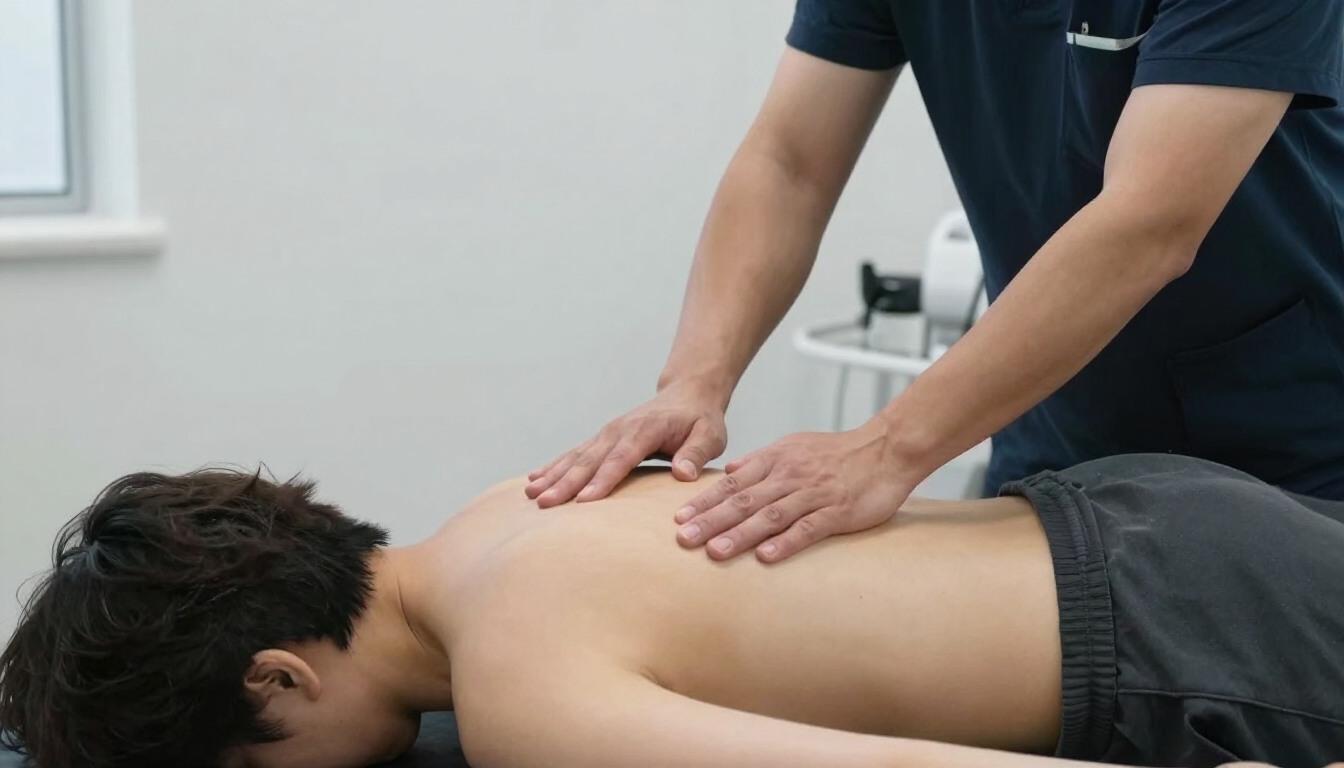
Lower back pain can make everyday activities difficult, from sitting at a desk to bending, walking, exercising, or sleeping comfortably.
If you’re dealing with persistent discomfort, you may be wondering whether seeing a chiropractor could help.
The short answer is yes, chiropractic care may help some people with lower back pain. Spinal manipulation is one of several non-drug treatment options that may provide modest improvements in pain and physical function. However, results vary, and the best treatment depends on the cause of the pain, your medical history, and your symptoms.
Here’s what you should know before scheduling an appointment.
What Causes Lower Back Pain?
Lower back pain can develop for many reasons.
Common contributing factors include muscle strains, repetitive movements, prolonged sitting, changes in physical activity, and certain spinal conditions.
Some people experience pain after lifting a heavy object or participating in sports. Others notice discomfort after spending hours sitting at a desk.
Lower back pain may also be associated with conditions involving spinal discs, joints, or nerves.
Not all lower back pain has the same cause.
For this reason, a proper evaluation is important before selecting a treatment. You can read more about common back-pain concerns in our chiropractic FAQ section.
How Can Chiropractic Care Help Lower Back Pain?
Chiropractic care focuses on evaluating and managing musculoskeletal problems, including certain conditions affecting the back.
Depending on the patient’s needs, care may include spinal manipulation, mobilization, movement guidance, and exercise recommendations.
Spinal manipulation involves applying a controlled force to a spinal joint.
Research suggests that spinal manipulation may provide small improvements in pain and function for some people with acute or chronic lower back pain.
The American College of Physicians includes spinal manipulation among several non-drug treatment options for adults with lower back pain.
However, the evidence supporting spinal manipulation varies in quality, and not everyone benefits.
A chiropractor should assess your symptoms and explain whether this approach is appropriate for you. Learn more about the clinic’s chiropractic services and what they involve.
What Happens During a Chiropractic Adjustment for Lower Back Pain?
A chiropractic adjustment, also called spinal manipulation, involves applying a controlled movement or force to a joint.
The technique may be performed manually or with specialized equipment.
Before treatment, the chiropractor should review your symptoms, health history, and any relevant medical conditions.
The examination may include checking movement, identifying areas of discomfort, and evaluating neurological symptoms when appropriate.
If an adjustment is suitable, the chiropractor should explain the proposed technique, expected benefits, alternatives, and possible risks.
Not every patient requires an adjustment, and other approaches may be more appropriate depending on the findings.
Can Chiropractic Care Help Chronic Lower Back Pain?
Chronic lower back pain generally refers to pain lasting 12 weeks or longer.
Some people with chronic lower back pain may experience modest improvements with spinal manipulation.
However, chronic pain often involves multiple contributing factors.
An effective management plan may also include exercise, gradual activity, physical rehabilitation, education, and other treatments.
The National Center for Complementary and Integrative Health reports that spinal manipulation may produce small improvements in pain and function for chronic lower back pain.
Treatment should focus on helping patients move and function more comfortably, with realistic goals and periodic reassessment.
Dealing With Lower Back Pain in Downtown LA? Schedule a Consultation.
If chronic lower back pain is affecting your daily activities, contact Downtown LA Dr. Romina Chiropractic to discuss whether an evaluation is appropriate for you.
Schedule a ConsultationCan a Chiropractor Help Back Pain From Sitting All Day?
Long periods of sitting may contribute to stiffness, reduced movement, and discomfort in the lower back.
For people who work at desks, back pain may be influenced by several factors, including activity levels, workstation setup, stress, and individual health conditions. Our FAQ covers related desk and posture-related discomfort in more detail.
A chiropractor may assess movement limitations and discuss strategies for managing musculoskeletal discomfort.
However, chiropractic adjustments are not a substitute for regular movement and appropriate exercise.
If you work at a desk, consider these practical habits:
- Change positions regularly throughout the day.
- Take short movement breaks.
- Adjust your workstation for comfort.
- Include suitable strengthening and mobility exercises.
- Gradually increase physical activity when appropriate.
There is no single perfect sitting posture that prevents all back pain.
The goal is to maintain comfort, movement, and sustainable work habits.
Can Chiropractic Adjustments Help Sciatica?
Sciatica commonly describes pain that travels from the lower back or buttock into the leg, sometimes accompanied by tingling, numbness, or weakness.
It can occur when a nerve is irritated or compressed.
Some limited research suggests spinal manipulation may help certain patients with sciatica-related symptoms. See our FAQ answer on whether a chiropractor can help with sciatica and nerve pain.
However, sciatica has different possible causes, and not every case is suitable for chiropractic treatment.
Persistent leg weakness, worsening neurological symptoms, or other concerning findings require medical evaluation.
A chiropractor should assess whether conservative treatment is appropriate or whether referral is needed.
How Many Chiropractic Sessions Does It Take to Help Lower Back Pain?
There is no universal number of chiropractic visits that works for everyone.
The appropriate treatment plan depends on the patient’s symptoms, condition, response to care, and goals.
Some people notice changes after a small number of visits, while others may need a different treatment approach.
An evidence-informed plan should include clear goals and periodic reassessment.
If symptoms are not improving as expected, the treatment strategy should be reconsidered.
Be cautious of anyone promising a specific result or a fixed number of visits before evaluating your condition.
Is Chiropractic Treatment for Lower Back Pain Safe?
Spinal manipulation is generally associated with temporary side effects such as soreness, stiffness, or increased discomfort.
Serious complications are uncommon but possible.
Certain medical conditions may make spinal manipulation inappropriate or require additional assessment.
Tell your chiropractor about osteoporosis, fractures, cancer history, neurological symptoms, recent injuries, surgeries, and other significant health concerns.
A qualified practitioner should explain the benefits, limitations, alternatives, and risks before treatment.
Patients should have the opportunity to ask questions and make an informed decision.
When Should You See a Doctor Instead of a Chiropractor?
Some symptoms require prompt medical evaluation rather than routine chiropractic treatment.
Seek emergency medical care if back pain occurs with new bladder or bowel control problems, numbness around the groin or saddle area, or significant or rapidly worsening leg weakness.
Urgent evaluation may also be needed for back pain after a serious accident or injury, or when accompanied by fever or other signs of serious illness.
If pain is severe, persistent, worsening, or accompanied by unexplained symptoms, contact an appropriate healthcare professional.
Chiropractic care should not delay diagnosis or treatment of a potentially serious condition.
What Should You Expect at Your First Chiropractic Appointment?
A first appointment usually begins with a discussion of your symptoms and medical history.
You may be asked:
- When did your back pain begin?
- Where is the pain located?
- Does it travel into your legs?
- What activities make it better or worse?
- Have you had previous injuries?
- What treatments have you already tried?
- Do you have any medical conditions or medications that affect your care?
The chiropractor may examine your movement and assess whether further medical evaluation is needed.
If chiropractic treatment is appropriate, the provider should explain the proposed care plan.
Not every patient needs imaging. X-rays or other tests should be ordered based on clinical indications rather than routinely.
Chiropractic Care vs. Physical Therapy for Lower Back Pain
Chiropractic care and physical therapy can both be involved in managing certain musculoskeletal conditions.
Chiropractors may use spinal manipulation, mobilization, and exercise guidance.
Physical therapy often emphasizes therapeutic exercise, functional rehabilitation, and movement-based treatment.
There can be overlap between the approaches.
The most appropriate option depends on the individual patient’s symptoms, goals, medical history, and clinical findings.
Some patients may benefit from coordinated care involving more than one healthcare professional.
What Can You Do at Home to Help Lower Back Pain?
Many people with uncomplicated lower back pain benefit from remaining active as tolerated.
Depending on the situation, useful strategies may include walking, gentle movement, appropriate strengthening exercises, and gradual return to normal activities.
Superficial heat may provide temporary comfort for some people.
Avoid prolonged bed rest unless a healthcare professional advises otherwise.
Exercises should be selected according to your symptoms and abilities.
Stop an activity that significantly worsens pain or produces new neurological symptoms, and seek appropriate medical guidance.
When Should You Consider Seeing a Chiropractor in Downtown Los Angeles?
If lower back pain is affecting your work, mobility, or daily activities, an evaluation may help clarify your options.
Chiropractic care may be worth considering when symptoms appear musculoskeletal and there are no signs of a serious underlying condition.
An appropriate provider should review your health history, discuss treatment choices, explain potential risks, and recommend referral when necessary.
The decision to begin care should be based on your individual needs rather than a promise of immediate or permanent relief.
Lower Back Pain Chiropractic Care at Downtown LA Dr. Romina Chiropractic
Downtown LA Dr. Romina Chiropractic provides chiropractic services for patients experiencing lower back discomfort, neck pain, posture-related symptoms, and other musculoskeletal concerns.
Located in Downtown Los Angeles, the clinic offers spinal adjustments and additional supportive services based on patient needs.
Dr. Romina Ghassemi and the clinic team evaluate patients and discuss care options intended to support comfort, mobility, and everyday function.
If you’re experiencing lower back pain, contact the clinic to discuss an appointment and determine whether chiropractic evaluation is appropriate.
Frequently Asked Questions About Chiropractic Care for Lower Back Pain
Can a chiropractor fix lower back pain permanently?
No treatment can guarantee permanent relief from lower back pain. Some people experience improvement with chiropractic care, but outcomes depend on the cause of pain, overall health, activity, and other factors.
Is chiropractic care effective for chronic lower back pain?
Research suggests spinal manipulation may provide small improvements in pain and function for some people with chronic lower back pain. It is one of several possible treatments and may be combined with exercise and other evidence-based care.
Should I see a chiropractor if my lower back hurts when I sit?
An evaluation may be useful if discomfort is persistent or affects your daily activities. The appropriate treatment depends on your symptoms and underlying condition. Regular movement, exercise, and workstation adjustments may also help.
Can a chiropractor help with a herniated disc?
Some people with disc-related symptoms may benefit from conservative care, but not all cases are appropriate for spinal manipulation. Neurological symptoms, severity, and clinical findings should guide treatment decisions. Medical referral may be necessary.
Are chiropractic adjustments painful?
Some patients experience temporary soreness or discomfort during or after treatment. Techniques and individual responses vary. Discuss concerns with your chiropractor before treatment and report any unusual or worsening symptoms.
How do I find a chiropractor for lower back pain in Downtown LA?
Look for a licensed provider who performs an appropriate assessment, explains treatment options, discusses risks, and offers a clear care plan. Downtown LA Dr. Romina Chiropractic is located at 155 W Washington Blvd, Suite 516, Los Angeles, CA 90015.
Schedule a Lower Back Pain Consultation in Downtown LA
Lower back pain can interfere with work, exercise, sleep, and everyday movement.
If you’re looking for a chiropractor in Downtown Los Angeles, Downtown LA Dr. Romina Chiropractic offers consultations and individualized chiropractic care.
Contact the clinic to discuss your symptoms and learn whether an appointment is appropriate. Call (424) 379-9357 or use the website’s existing booking system.
Ready to Address Your Lower Back Pain?
Schedule a chiropractic consultation or call our Downtown LA office to discuss your symptoms and whether care is appropriate for you.
Disclaimer: This article is for general educational purposes and does not replace individualized medical advice, diagnosis, or treatment. Seek emergency medical care for serious or rapidly worsening symptoms.
Sources & Further Reading
- 1.National Center for Complementary and Integrative Health (NCCIH). “4 Things To Know About Spinal Manipulation for Low-Back Pain.”
Supports the description of spinal manipulation, potential benefits, limitations, and side effects.
- 2.NCCIH. “Low-Back Pain and Complementary Health Approaches: What You Need To Know.”
Supports evidence on non-drug approaches and spinal manipulation for acute and chronic lower back pain.
- 3.American College of Physicians. “Noninvasive Treatments for Acute, Subacute, and Chronic Low Back Pain: A Clinical Practice Guideline.”
Supports the discussion of non-drug treatment options, including spinal manipulation and exercise.
- 4.NCCIH. “9 Things To Know About Chronic Low-Back Pain and Complementary Health Approaches.”
Supports the discussion of chronic lower back pain and the available research.
- 5.MedlinePlus. “Low Back Pain.”
Provides general patient education about lower back pain, symptoms, and evaluation.
- 6.Downtown LA Dr. Romina Chiropractic. “Services.”
Supports the clinic’s services, address, and contact information.